Why is it said that plastic toolboxes have good insulation properties
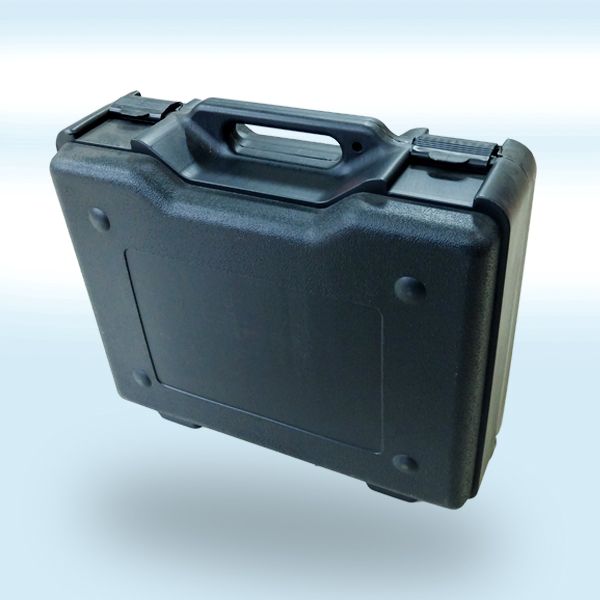
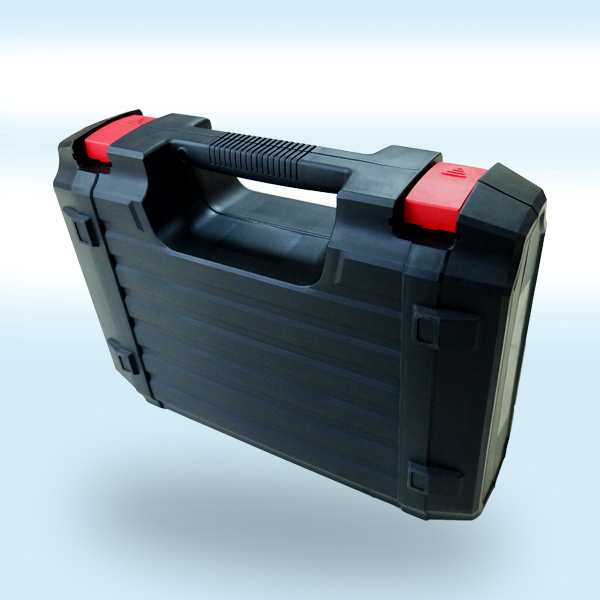
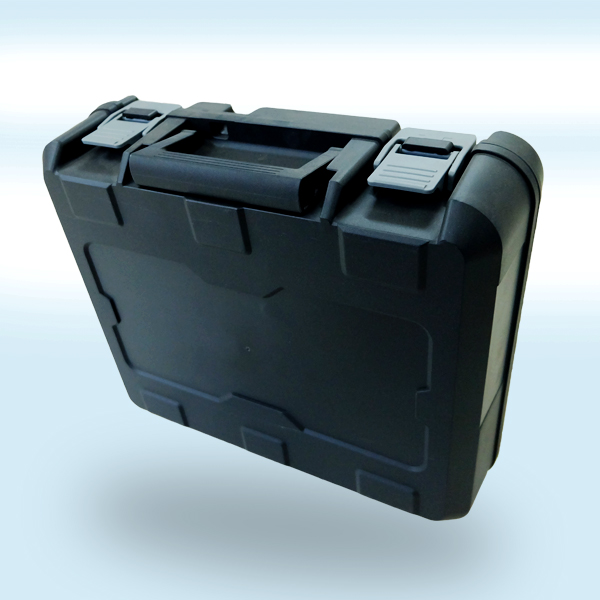
Plastic toolboxes have good insulation properties, which are closely related to the material characteristics, structural design, and manufacturing processes used. The specific reasons are as follows:
1����、 The insulation properties of the material itself
Plastic toolboxes are usually made of polymer materials such as polypropylene (PP), polyethylene (PE), ABS resin, etc. These materials have
Plastic toolboxes have good insulation properties, which are closely related to the material characteristics, structural design, and manufacturing processes used. The specific reasons are as follows:
1、 The insulation properties of the material itself
Plastic toolboxes are usually made of polymer materials such as polypropylene (PP), polyethylene (PE), ABS resin, etc. These materials have natural electrical insulation properties, specifically manifested as:
1. Stable molecular structure
The molecular chains of polymer materials are connected by covalent bonds, and electrons are bound inside the molecules, unable to move freely, making it difficult to conduct current.
Taking polypropylene as an example, its volume resistivity is as high as 10 12~10 1?Ω· cm, and its dielectric constant is low (about 2.2~2.6), making it a typical insulating material.
2. Less non-conductive impurities
Plastic raw materials are purified during the production process and do not contain conductive impurities such as metal ions and carbon particles, further ensuring insulation performance.
2����、 Structural design enhances insulation performance
The design of plastic toolboxes usually avoids conductivity risks from the following aspects:
1. There are no metal components as a whole
The box body, lid, lock buckle, etc. are all made of pure plastic material to prevent metal parts (such as screws, hinges) from being exposed or in contact with the internal space, and to eliminate conductive pathways structurally.
Even if some toolboxes use metal accessories (such as lock cores), they will be separated from the main body of the box through insulation wrapping or isolation design (such as plastic nesting).
2. Sealed structure isolates moisture
The edges of the box are often designed with sealing rings or concave convex grooves to form a sealed space, preventing conductive media such as moisture and dust from entering the interior and avoiding insulation performance degradation caused by moisture.
3、 Manufacturing process ensures insulation reliability
1. Integrated molding process
Most plastic toolboxes use injection molding technology, with no joint gaps in the box body, reducing the risk of electrical leakage caused by structural defects such as water and dust accumulation in the gaps.
2. Surface treatment process
Some products undergo surface coating (such as insulation paint) or anti-static treatment (adding anti-static agents) to further enhance insulation or prevent static accumulation (but anti-static ≠ conductive, the role of anti-static agents is to reduce surface resistance to a safe range, rather than conducting current).




 Home
Home
 Product
 Wechat
 Telephone